
How Sensory Processing Affects Writing in Children

Sensory processing is not only about being sensitive or sensory seeking.
It also affects coordination, posture, endurance, and motor control, all of which are essential for writing.
Understanding how sensory processing affects writing can completely change the way you support a child who finds writing difficult.
How to Lower Demands Around Writing

Lowering demand is not about giving up on handwriting or learning.
It is about changing how writing is introduced so it feels manageable rather than threatening.
For children with PDA, demand avoidance, anxiety, dyspraxia, or sensory processing differences, reducing the felt pressure can make writing more accessible over time.
When Writing Hurts: Understanding What Your Child’s Body Is Telling You
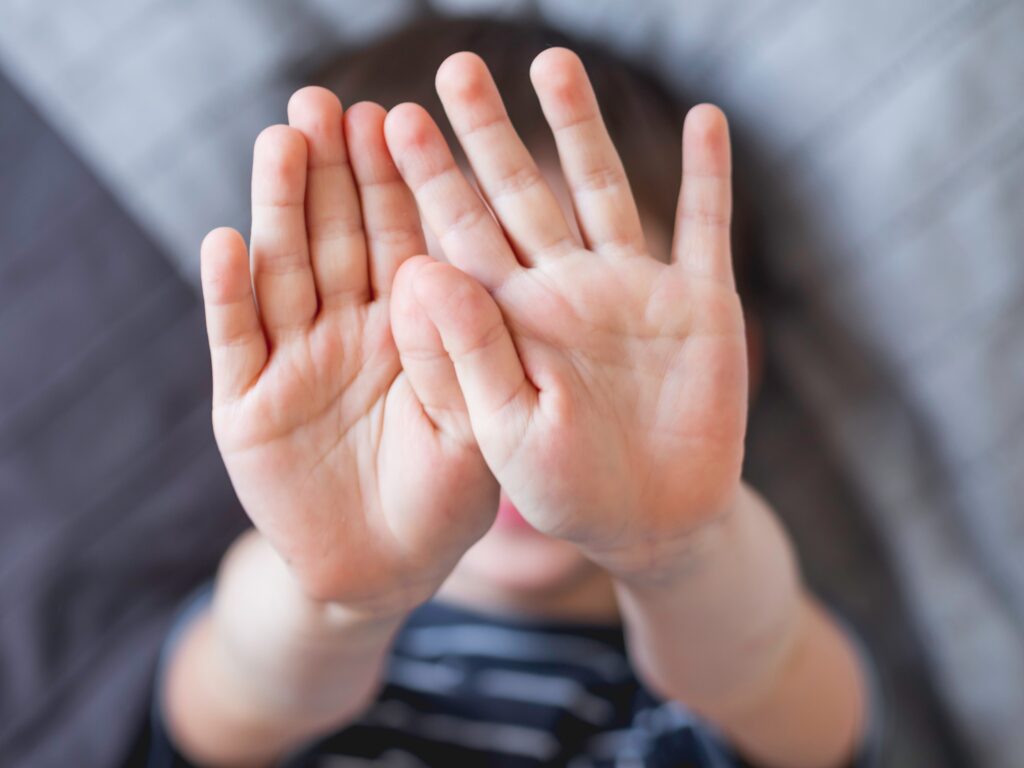
Sadly, many adults don’t even believe kids when they say their hands hurt. They assume children are making excuses or trying to avoid work.
But here’s the truth: kids can — and often do — press so hard on their pencil that it genuinely causes pain.
Writing Difficulties Are Almost Never About Writing

Writing challenges are about underlying developmental skills that haven’t fully formed yet, like:
✅ Whole-body coordination
✅ Core stability
✅ Sensory processing
✅ Motor planning
Why More Writing Practice Isn’t the Answer (and What Actually Helps)
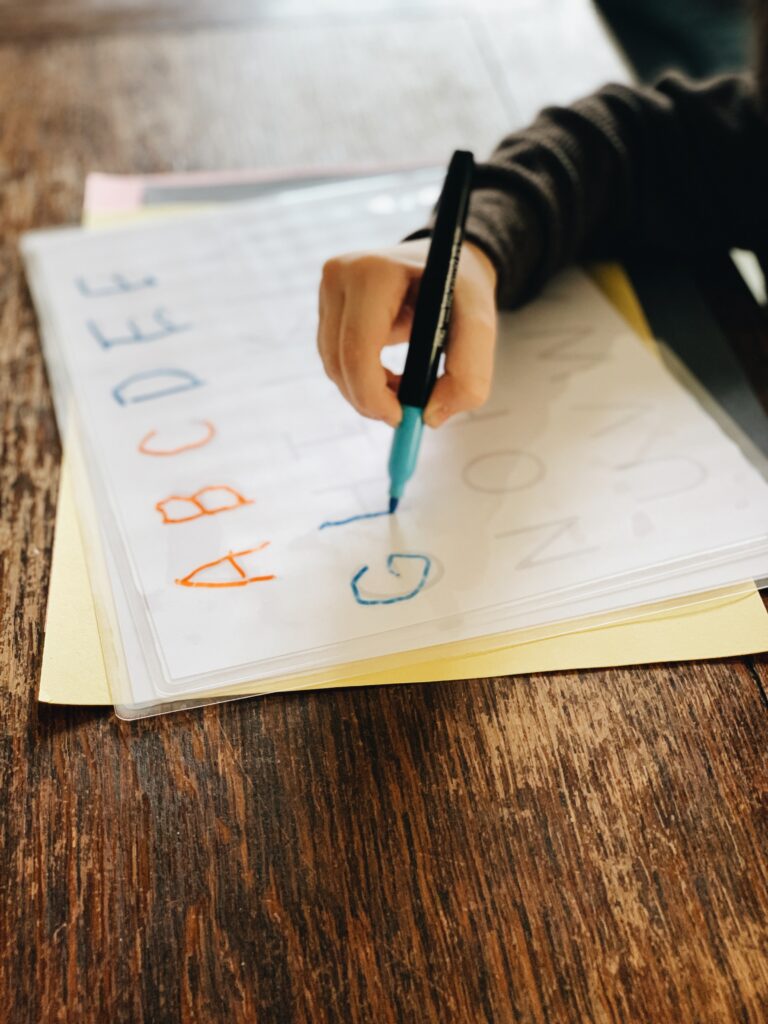
Writing difficulties aren’t about willpower. They’re not a behaviour problem.
They are neurological.
They reflect how your child’s brain and body are wired ……. their sensory processing, coordination, motor planning, regulation, and how all of that fits together.
Why Your Child’s Writing Isn’t Improving (Even After All That Practice)

Writing isn’t just a cognitive skill.
It’s a complex coordination of multiple systems and it builds in a specific sequence.
At the base of this developmental pyramid is sensory processing. From there, each layer supports the next.
Does Your Child Hate Writing? Here’s Why (and How to Help)

Most parents think it’s a pencil grip issue or just lack of practice.
But writing struggles often have nothing to do with the hand.
The truth is, if your child avoids writing, the problem usually runs much deeper. And the solution isn’t “more handwriting practice.”