
What Good Occupational Therapy Really Looks Like

Good Occupational Therapy begins by asking:
What’s getting in the way?
Is it sensory processing?
Motor planning?
Regulation?
Coordination?
Environmental expectations?
Why I Work With Parents Instead of Just Children

Many families look for occupational therapy for writing difficulties, expecting the therapist to work mainly with the child.
Because of this, people sometimes ask why I work with parents rather than only working directly with children.
It’s a fair question.
How Sensory Processing Affects Writing in Children

Sensory processing is not only about being sensitive or sensory seeking.
It also affects coordination, posture, endurance, and motor control, all of which are essential for writing.
Understanding how sensory processing affects writing can completely change the way you support a child who finds writing difficult.
Why Isn’t My Child Holding Their Pencil “Right”?

Children cannot simply remember to hold a pencil correctly.
Grasp requires coordination, strength, stability, and motor control. These develop automatically through the body over time.
What 25 Years as an OT Has Taught Me About Helping Kids

Back then, I didn’t even own a cell phone. I relied on a complicated map book to get around (Google Maps truly changed my life!). Social media wasn’t a thing. And the idea of working with families entirely online would have sounded impossible.
Sensory Support Doesn’t Have to Be Hard

People often think sensory support means setting up picture-perfect activities, obstacle courses, or buying loads of sensory equipment to meet their child’s needs.
And I get why you might think that.
I used to believe that too, especially in my early OT days, nearly 27 years ago.
When Writing Hurts: Understanding What Your Child’s Body Is Telling You

Sadly, many adults don’t even believe kids when they say their hands hurt. They assume children are making excuses or trying to avoid work.
But here’s the truth: kids can — and often do — press so hard on their pencil that it genuinely causes pain.
What is a Video-Based Assessment?
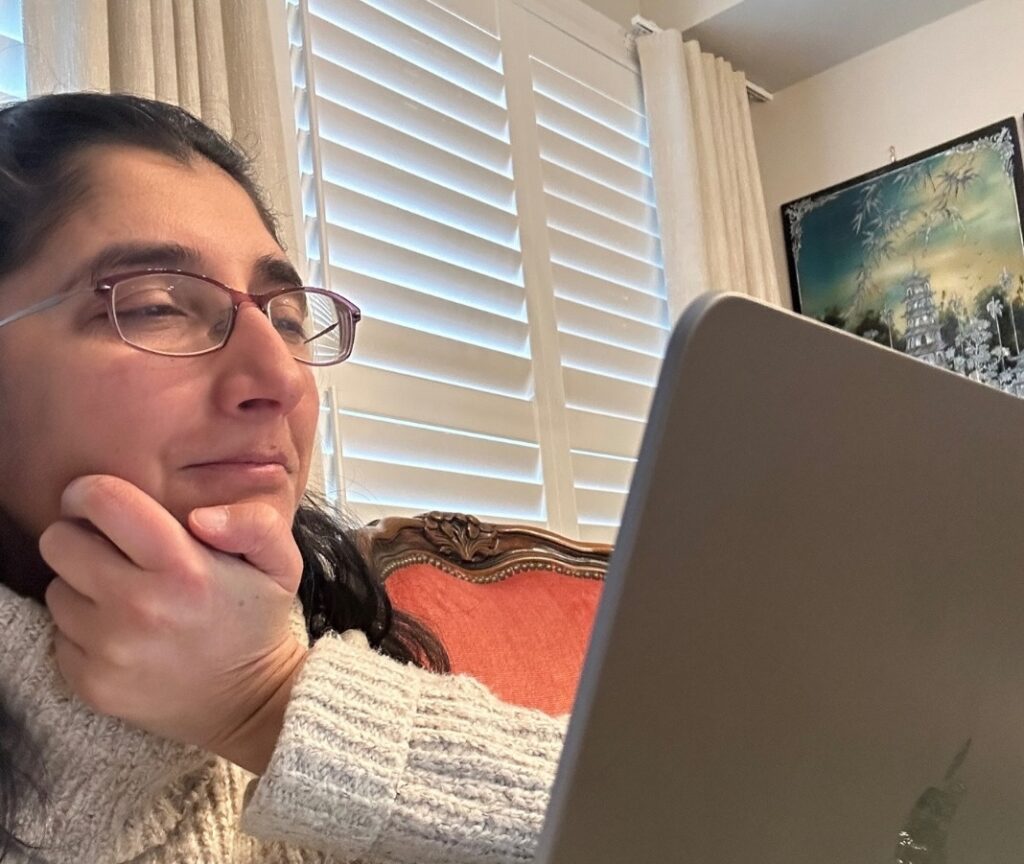
People are often surprised when I say I offer video-based assessments.
“Is that even effective?”
“Can you really assess a child that way?”
I get those questions a lot ……. and I get them!
So let me walk you through what a video-based assessment actually is, how it works, and why it can be so helpful.
7 Insights about Hypermobility
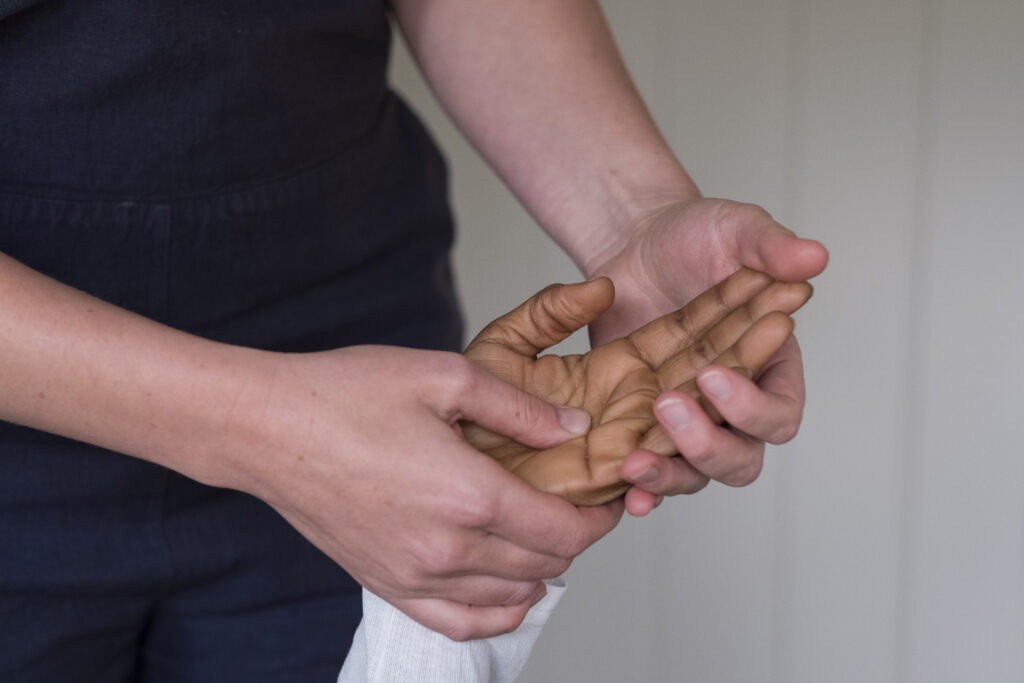
Hypermobility means some of the joints in your child’s body stretch and move more than expected. They’re extra bendy or flexible. But it’s not just about being “double-jointed.” Hypermobility can impact motor coordination, digestion, energy levels, sleep, emotional regulation, and even writing.
How This Child Gained Confidence in Writing — A Holistic Approach for Struggling Kids

Parents often wonder if progress in movement and coordination relates to writing and the answer is YES!
When we build foundational skills, the ripple effect reaches beyond just writing.
This child didn’t gain writing confidence by being pushed to write.
They gained it by becoming stronger, more aware of their body, and more regulated; and the writing followed.