
What Good Occupational Therapy Really Looks Like

Good Occupational Therapy begins by asking:
What’s getting in the way?
Is it sensory processing?
Motor planning?
Regulation?
Coordination?
Environmental expectations?
Why I Work With Parents Instead of Just Children

Many families look for occupational therapy for writing difficulties, expecting the therapist to work mainly with the child.
Because of this, people sometimes ask why I work with parents rather than only working directly with children.
It’s a fair question.
What 25 Years as an OT Has Taught Me About Helping Kids

Back then, I didn’t even own a cell phone. I relied on a complicated map book to get around (Google Maps truly changed my life!). Social media wasn’t a thing. And the idea of working with families entirely online would have sounded impossible.
“My Child Can’t Even Sit Still!”

I often think our society expects people to sit too much. In reality, it’s much better for us to be moving—getting up and down from the floor, staying active. Movement keeps circulation flowing, muscles strong, and our bodies from getting stuck.
Ever Wanted an OT’s Eyes on Your Child?

You don’t need to wait for months, or feel like you have to figure it out on your own. Sometimes just a few small tweaks, tailored to your child, can make all the difference.
Rethinking Calm: It Doesn’t Always Mean Stillness

When we limit calm to one narrow definition, we risk overlooking the strategies that actually help a child regulate. True calm comes from feeling safe and comfortable in your body—not from forcing yourself to appear quiet and still.
Have You Checked Out Your Child’s Thumbs?
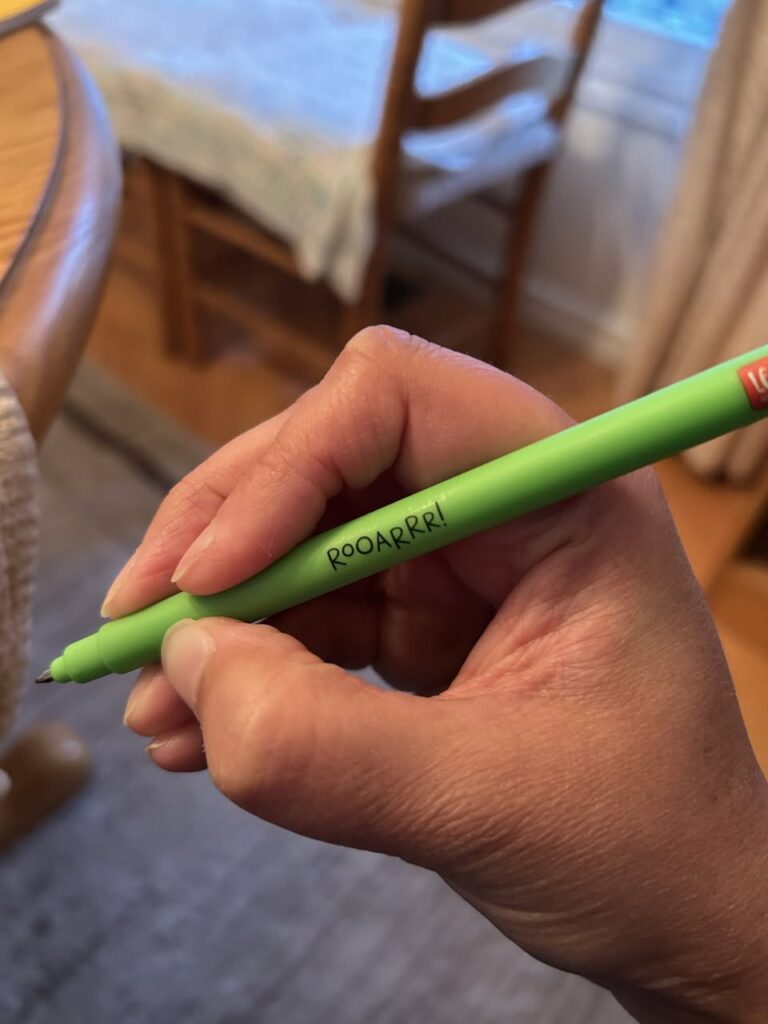
Most people don’t check their child’s thumbs … but they are the biggest clue to why writing feels awkward, tiring, or even painful.
When Writing Hurts: Understanding What Your Child’s Body Is Telling You

Sadly, many adults don’t even believe kids when they say their hands hurt. They assume children are making excuses or trying to avoid work.
But here’s the truth: kids can — and often do — press so hard on their pencil that it genuinely causes pain.
Sensory Support Isn’t About Fixing — It’s About Understanding

Understanding Children’s Sensory Needs We often hear words like sensory issues, sensory problems, sensory difficulties… but the truth is, your child’s brain knows exactly what it’s doing. Their nervous system is intact—working hard to protect them, ground them, and keep them safe. Of course, this doesn’t mean things aren’t challenging. It can be very hard […]
OT is not just for your child

When one family member struggles, it impacts everyone. Occupational therapy goes beyond supporting your child’s sensory and emotional needs to include the whole family—parents, siblings, and their nervous systems. Discover how gentle, practical strategies can create a more connected, calm, and supported home environment for everyone.