
What Good Occupational Therapy Really Looks Like

Good Occupational Therapy begins by asking:
What’s getting in the way?
Is it sensory processing?
Motor planning?
Regulation?
Coordination?
Environmental expectations?
Why I Work With Parents Instead of Just Children

Many families look for occupational therapy for writing difficulties, expecting the therapist to work mainly with the child.
Because of this, people sometimes ask why I work with parents rather than only working directly with children.
It’s a fair question.
What 25 Years as an OT Has Taught Me About Helping Kids

Back then, I didn’t even own a cell phone. I relied on a complicated map book to get around (Google Maps truly changed my life!). Social media wasn’t a thing. And the idea of working with families entirely online would have sounded impossible.
Ever Wanted an OT’s Eyes on Your Child?

You don’t need to wait for months, or feel like you have to figure it out on your own. Sometimes just a few small tweaks, tailored to your child, can make all the difference.
Rethinking Calm: It Doesn’t Always Mean Stillness

When we limit calm to one narrow definition, we risk overlooking the strategies that actually help a child regulate. True calm comes from feeling safe and comfortable in your body—not from forcing yourself to appear quiet and still.
Sensory Support Doesn’t Have to Be Hard

People often think sensory support means setting up picture-perfect activities, obstacle courses, or buying loads of sensory equipment to meet their child’s needs.
And I get why you might think that.
I used to believe that too, especially in my early OT days, nearly 27 years ago.
5 Things We Learned from Rosie the Cat About Writing Struggles
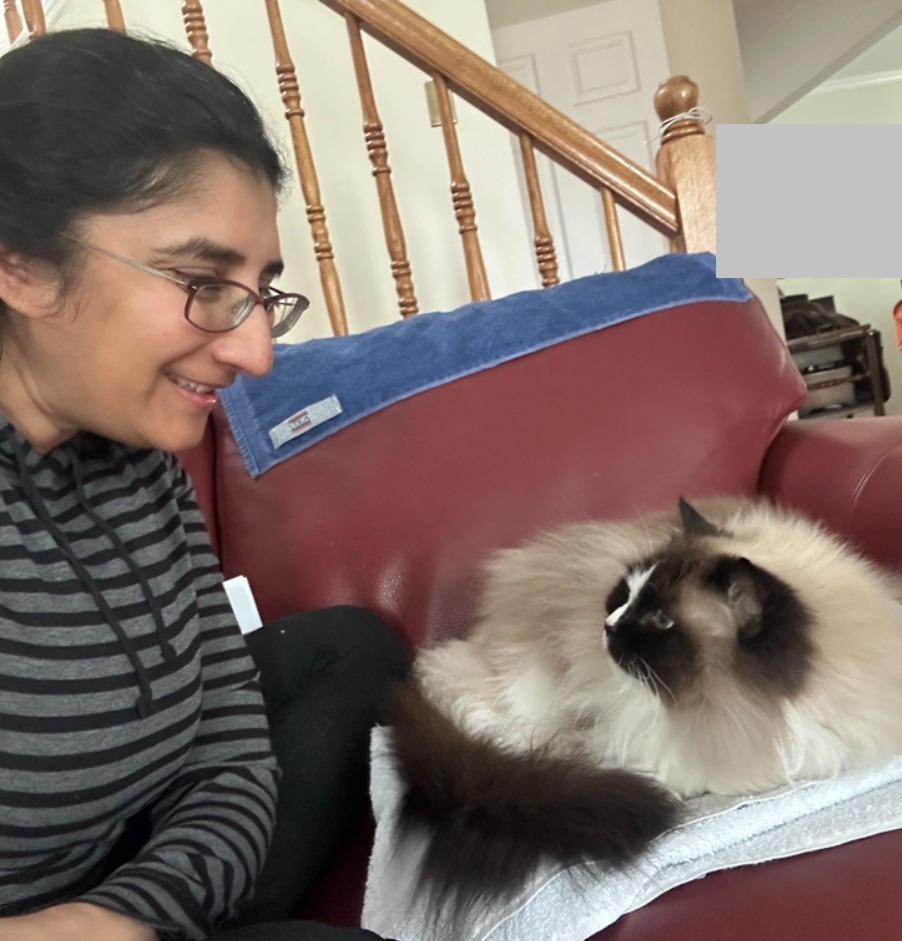
She wasn’t regressing.
She was recharging for the next big step.
And it reminded me so much of the kids I’ve worked with especially those with sensitive nervous systems who become overwhelmed and avoid writing.
OT is not just for your child

When one family member struggles, it impacts everyone. Occupational therapy goes beyond supporting your child’s sensory and emotional needs to include the whole family—parents, siblings, and their nervous systems. Discover how gentle, practical strategies can create a more connected, calm, and supported home environment for everyone.