
Why I Work With Parents Instead of Just Children

Many families look for occupational therapy for writing difficulties, expecting the therapist to work mainly with the child.
Because of this, people sometimes ask why I work with parents rather than only working directly with children.
It’s a fair question.
What 25 Years as an OT Has Taught Me About Helping Kids

Back then, I didn’t even own a cell phone. I relied on a complicated map book to get around (Google Maps truly changed my life!). Social media wasn’t a thing. And the idea of working with families entirely online would have sounded impossible.
Have You Checked Out Your Child’s Thumbs?
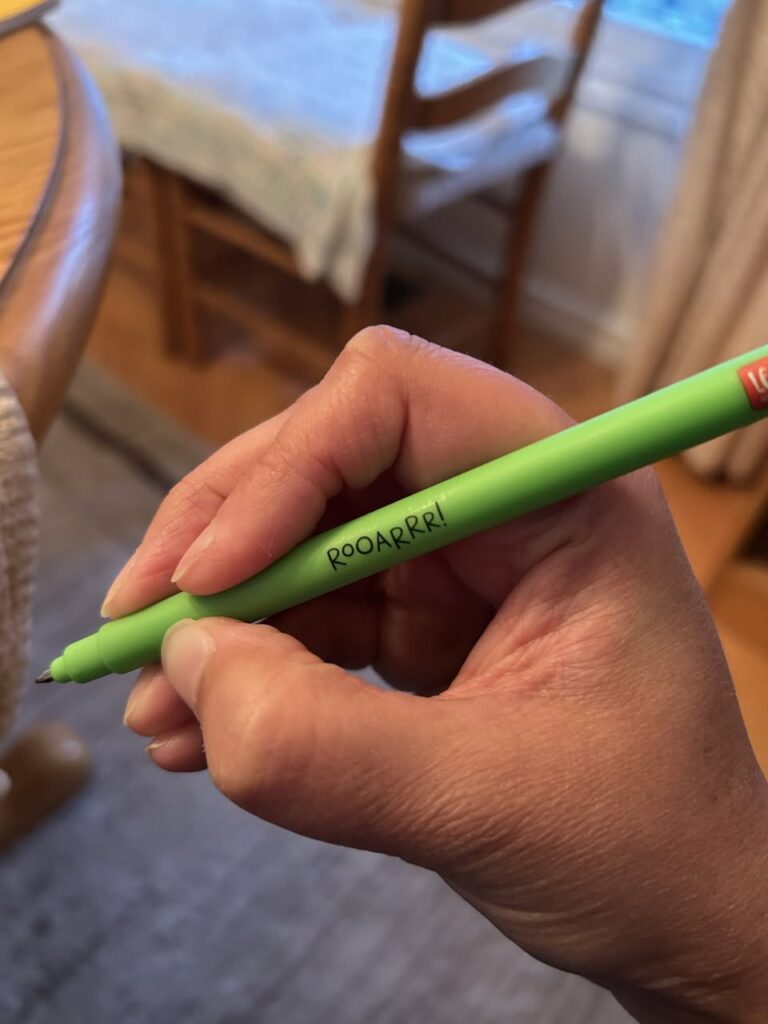
Most people don’t check their child’s thumbs … but they are the biggest clue to why writing feels awkward, tiring, or even painful.
Sensory Support Doesn’t Have to Be Hard

People often think sensory support means setting up picture-perfect activities, obstacle courses, or buying loads of sensory equipment to meet their child’s needs.
And I get why you might think that.
I used to believe that too, especially in my early OT days, nearly 27 years ago.
All in a Year: From Pencil Refusal to Confident Writing
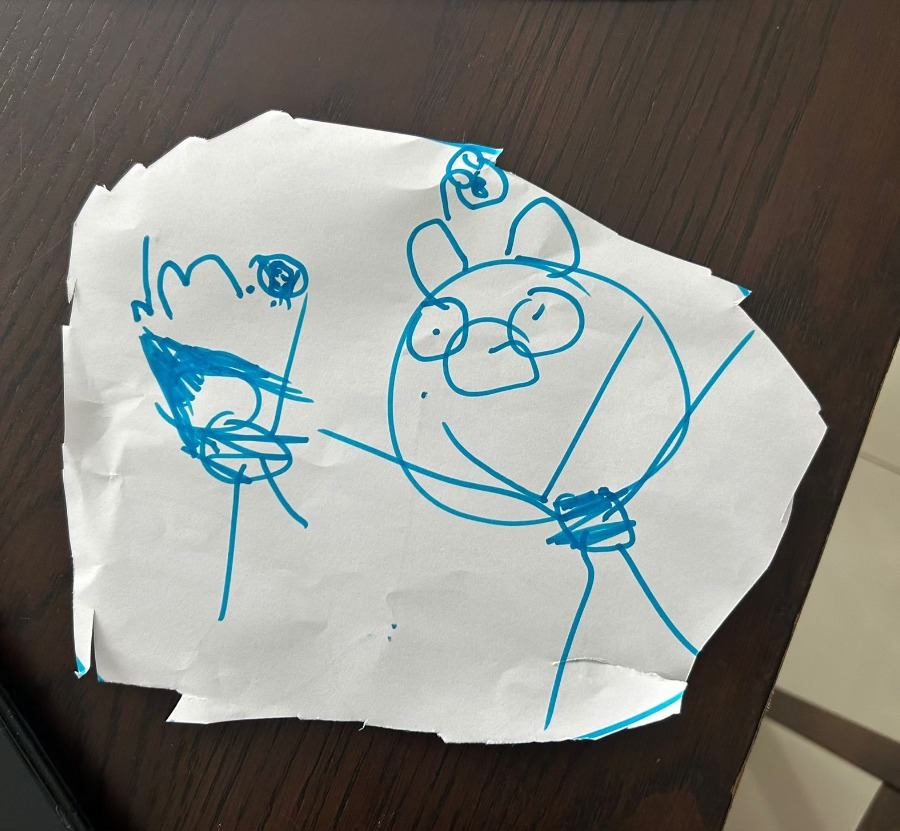
Every child’s writing journey looks different — and it doesn’t start with handwriting practice. It starts with supporting the body, the senses, and regulation so writing can feel possible.
Join Me at the PDA Space Summit 2025: Exploring Equity for PDA’ers

As a brown, neurodivergent, single parent and Occupational Therapist, I see every day how much our systems ask kids (and families) to change themselves to fit in instead of adapting environments to effectively meet their needs. That’s why I’m so happy about the conversations this summit is bringing to the forefront.
How This Child Gained Confidence in Writing — A Holistic Approach for Struggling Kids

Parents often wonder if progress in movement and coordination relates to writing and the answer is YES!
When we build foundational skills, the ripple effect reaches beyond just writing.
This child didn’t gain writing confidence by being pushed to write.
They gained it by becoming stronger, more aware of their body, and more regulated; and the writing followed.
Sensory Chalk Walk Obstacle Courses

People often think these chalk obstacle courses are difficult to make, however they’re so fun and you can involve your kids in making them too. We made a bunch of these on our streets for younger and older children, and even made one for an elderly neighbour across the street. It was so fun watching them through our window laugh and do them with friends.
Homemade Sensory Integration Swings – Part 2 / 3

Personally, I love the hammock swing after a long day and my toddler would love to nap in it. I wish I were a bit more handy and could actually sew, I’d create a lot more.
Installing Sensory Integration Swings – Part 1/ 3

Part of classical sensory integration therapy includes using suspended equipment and therapeutic swings.Although there are lots of other effective and fun ways for children to get movement input without swings, swings are an option for the home.