
The Biggest Misconception About Sensory Processing

The sensory systems are deeply interconnected.
Each sense influences the others.
Emotions influence sensory experiences.
Experiences ripple across the whole nervous system.
When we look at just one sense in isolation, we often miss what’s really going on.
How Sensory Processing Affects Writing in Children

Sensory processing is not only about being sensitive or sensory seeking.
It also affects coordination, posture, endurance, and motor control, all of which are essential for writing.
Understanding how sensory processing affects writing can completely change the way you support a child who finds writing difficult.
What Happens When You Stop Pushing Handwriting?

what happens when you stop pushing handwriting and start building the foundations underneath it?
Over the years, I’ve supported hundreds of families using what I call the No Writing Way™.
Instead of beginning with writing practice, we strengthen the sensory, motor, and regulatory skills that writing depends on.
And something interesting happens.
Improvements begin to show up in places that don’t look like handwriting at all.
Child Still Struggling With Writing Despite Practice?

If writing practice hasn’t helped, it doesn’t mean your child isn’t trying.
It may mean the system underneath needs support first.
When we shift the focus from the pencil to the foundations, writing often becomes more manageable …..and confidence begins to rebuild.
Child Refuses to Write? Understanding PDA and Writing Resistance

Recently in my Helping Kids Write community, parents have been sharing what has helped their child with PDA, demand avoidance, or anxiety around handwriting. Being able to hear how they focus on safety, connection, and interests before expecting writing has been powerful.
“But They Can Do It…” – Why Skills Aren’t Always Consistent

Skills don’t disappear just because they’re not consistent. They emerge when the conditions are right. By supporting your child’s nervous system and environment, you’re not holding them back—you’re helping them get to a place where those cogs can align again and again.
Ever Wanted an OT’s Eyes on Your Child?

You don’t need to wait for months, or feel like you have to figure it out on your own. Sometimes just a few small tweaks, tailored to your child, can make all the difference.
Rethinking Calm: It Doesn’t Always Mean Stillness

When we limit calm to one narrow definition, we risk overlooking the strategies that actually help a child regulate. True calm comes from feeling safe and comfortable in your body—not from forcing yourself to appear quiet and still.
Have You Checked Out Your Child’s Thumbs?
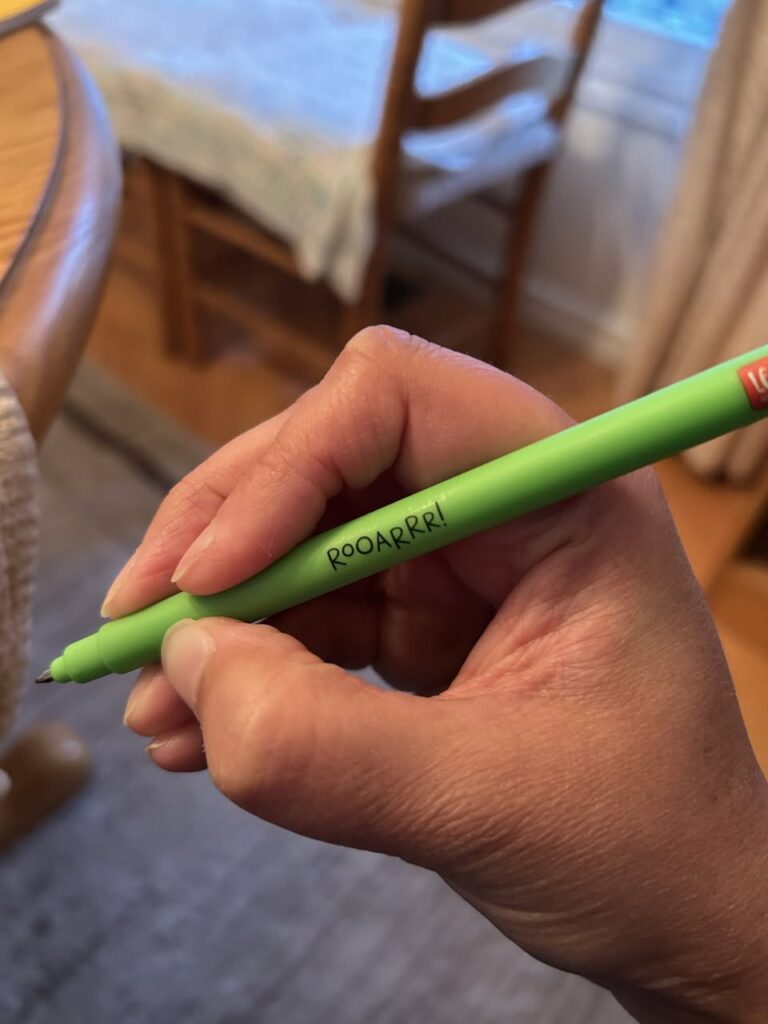
Most people don’t check their child’s thumbs … but they are the biggest clue to why writing feels awkward, tiring, or even painful.
Sensory Support Doesn’t Have to Be Hard

People often think sensory support means setting up picture-perfect activities, obstacle courses, or buying loads of sensory equipment to meet their child’s needs.
And I get why you might think that.
I used to believe that too, especially in my early OT days, nearly 27 years ago.