
The Biggest Misconception About Sensory Processing

The sensory systems are deeply interconnected.
Each sense influences the others.
Emotions influence sensory experiences.
Experiences ripple across the whole nervous system.
When we look at just one sense in isolation, we often miss what’s really going on.
How Sensory Processing Affects Writing in Children

Sensory processing is not only about being sensitive or sensory seeking.
It also affects coordination, posture, endurance, and motor control, all of which are essential for writing.
Understanding how sensory processing affects writing can completely change the way you support a child who finds writing difficult.
“My Child Can’t Even Sit Still!”

I often think our society expects people to sit too much. In reality, it’s much better for us to be moving—getting up and down from the floor, staying active. Movement keeps circulation flowing, muscles strong, and our bodies from getting stuck.
Sensory Support Doesn’t Have to Be Hard

People often think sensory support means setting up picture-perfect activities, obstacle courses, or buying loads of sensory equipment to meet their child’s needs.
And I get why you might think that.
I used to believe that too, especially in my early OT days, nearly 27 years ago.
When Writing Hurts: Understanding What Your Child’s Body Is Telling You

Sadly, many adults don’t even believe kids when they say their hands hurt. They assume children are making excuses or trying to avoid work.
But here’s the truth: kids can — and often do — press so hard on their pencil that it genuinely causes pain.
More or Less Sensory Input?

But remember: sensory processing is not static. Children can fluctuate between needing more and less, and many have what we call mixed responsiveness.
The ‘Calm Up to Calm Down’ Way

Most people think that calming down looks like sitting quietly, taking deep breaths, listening to soft music, or doing something still and gentle. And for some, that might work.
But for many neurodivergent people, kids and adults alike, that’s not what calming down feels like at all.
Why Your Child’s Writing Isn’t Improving (Even After All That Practice)

Writing isn’t just a cognitive skill.
It’s a complex coordination of multiple systems and it builds in a specific sequence.
At the base of this developmental pyramid is sensory processing. From there, each layer supports the next.
5 Things We Learned from Rosie the Cat About Writing Struggles
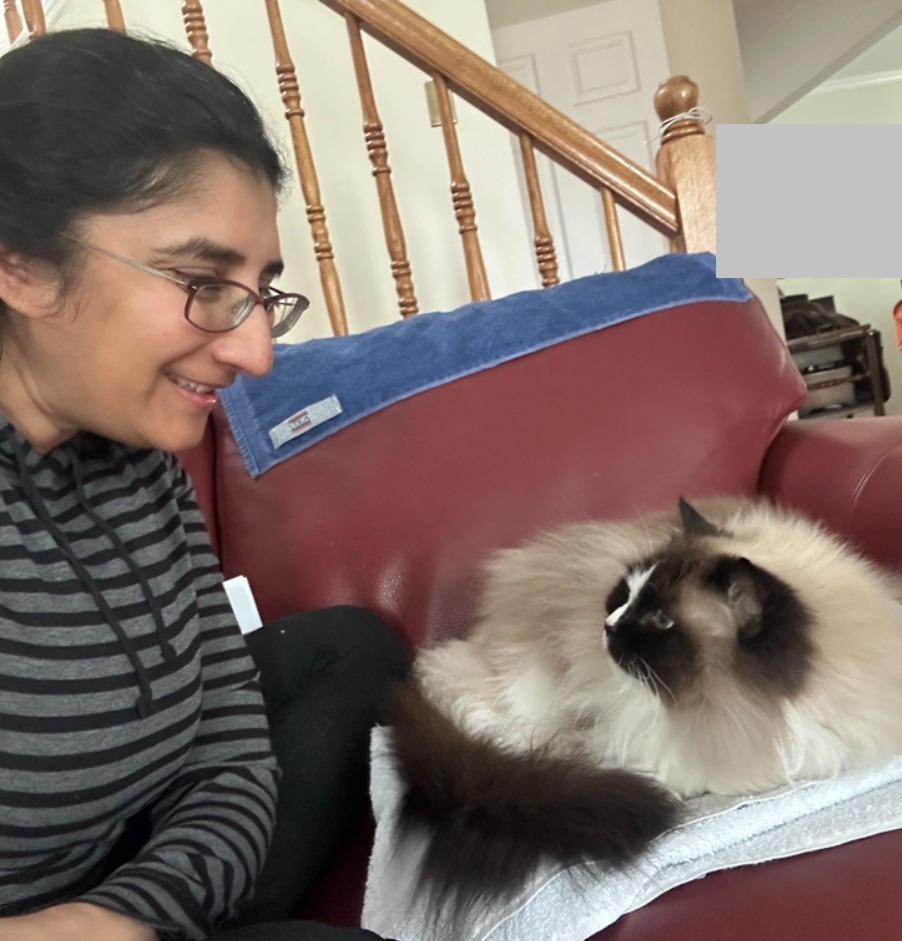
She wasn’t regressing.
She was recharging for the next big step.
And it reminded me so much of the kids I’ve worked with especially those with sensitive nervous systems who become overwhelmed and avoid writing.
10 Sensory and Nervous System Benefits of Nature

For kids who struggle in structured settings, or feel overwhelmed by noise, pressure, or adult-led demands, nature often offers a kind of quiet magic. It meets them exactly where they are.