
How Sensory Processing Affects Writing in Children

Sensory processing is not only about being sensitive or sensory seeking.
It also affects coordination, posture, endurance, and motor control, all of which are essential for writing.
Understanding how sensory processing affects writing can completely change the way you support a child who finds writing difficult.
How to Choose the Best Pencil for a Child Who Struggles With Handwriting

Writing difficulties are the tip of the iceberg. They can reflect challenges in underlying sensory and motor skills. This is called a bottom up approach, strengthening those foundational skills first.
At the same time, children still need ways to access their schoolwork while those foundations are developing. Choosing the right writing utensil is one practical top down strategy that can help in the meantime.
What Happens When You Stop Pushing Handwriting?

what happens when you stop pushing handwriting and start building the foundations underneath it?
Over the years, I’ve supported hundreds of families using what I call the No Writing Way™.
Instead of beginning with writing practice, we strengthen the sensory, motor, and regulatory skills that writing depends on.
And something interesting happens.
Improvements begin to show up in places that don’t look like handwriting at all.
Child Still Struggling With Writing Despite Practice?

If writing practice hasn’t helped, it doesn’t mean your child isn’t trying.
It may mean the system underneath needs support first.
When we shift the focus from the pencil to the foundations, writing often becomes more manageable …..and confidence begins to rebuild.
How to Lower Demands Around Writing

Lowering demand is not about giving up on handwriting or learning.
It is about changing how writing is introduced so it feels manageable rather than threatening.
For children with PDA, demand avoidance, anxiety, dyspraxia, or sensory processing differences, reducing the felt pressure can make writing more accessible over time.
Rethinking Calm: It Doesn’t Always Mean Stillness

When we limit calm to one narrow definition, we risk overlooking the strategies that actually help a child regulate. True calm comes from feeling safe and comfortable in your body—not from forcing yourself to appear quiet and still.
Sensory Support Isn’t About Fixing — It’s About Understanding
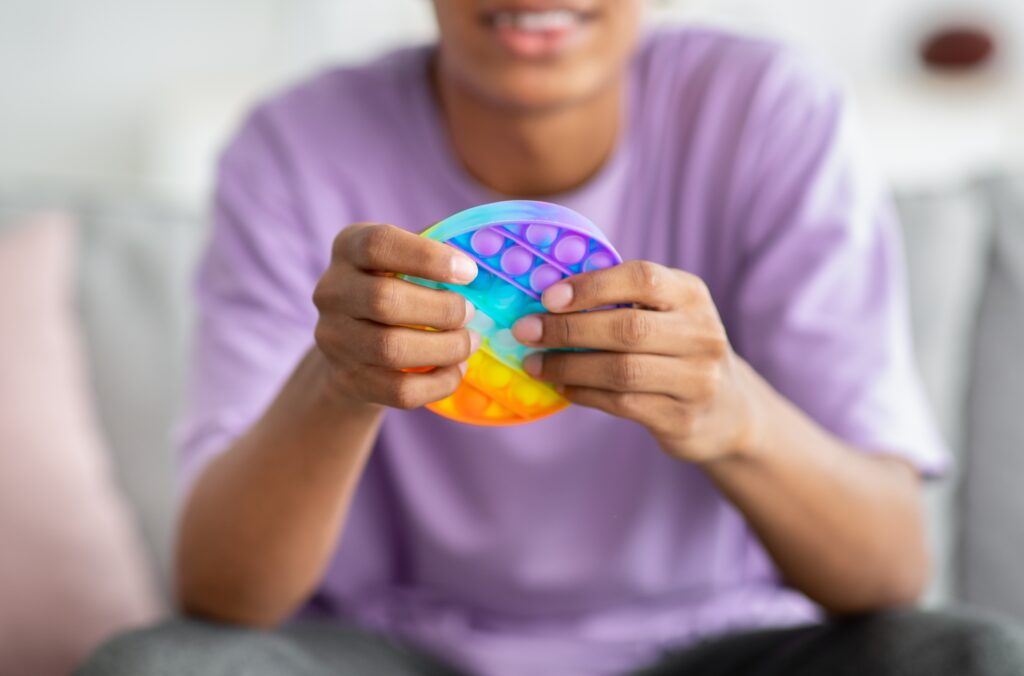
Understanding Children’s Sensory Needs We often hear words like sensory issues, sensory problems, sensory difficulties… but the truth is, your child’s brain knows exactly what it’s doing. Their nervous system is intact—working hard to protect them, ground them, and keep them safe. Of course, this doesn’t mean things aren’t challenging. It can be very hard […]
Be More Cat: The Value of Cozy Spaces
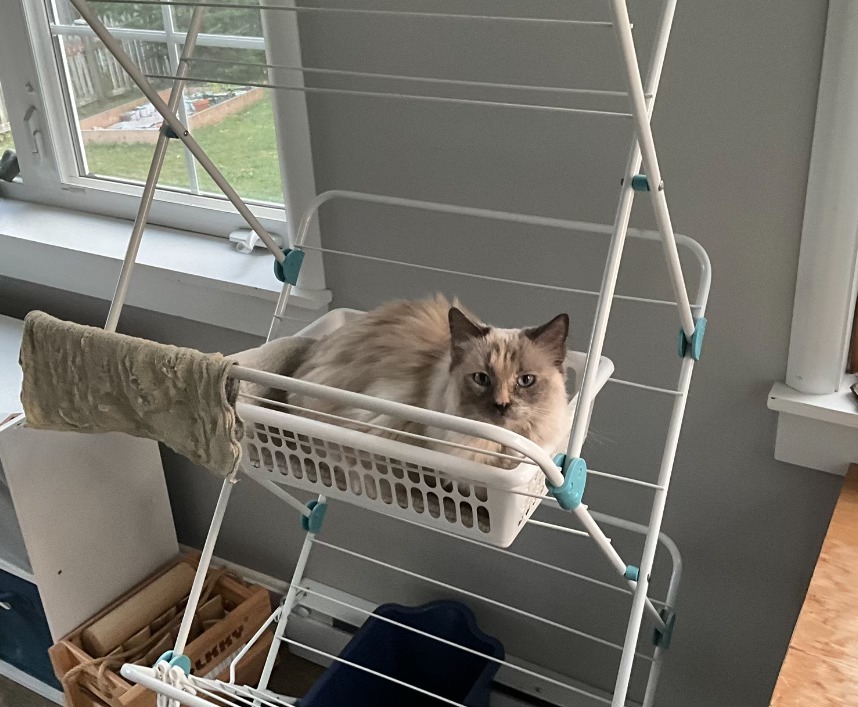
Just like our feline friends, children often benefit from having cozy spaces where they can retreat, reset, or simply feel contained.
Sensory Chalk Walk Obstacle Courses

People often think these chalk obstacle courses are difficult to make, however they’re so fun and you can involve your kids in making them too. We made a bunch of these on our streets for younger and older children, and even made one for an elderly neighbour across the street. It was so fun watching them through our window laugh and do them with friends.