
The Biggest Misconception About Sensory Processing

The sensory systems are deeply interconnected.
Each sense influences the others.
Emotions influence sensory experiences.
Experiences ripple across the whole nervous system.
When we look at just one sense in isolation, we often miss what’s really going on.
How Sensory Processing Affects Writing in Children

Sensory processing is not only about being sensitive or sensory seeking.
It also affects coordination, posture, endurance, and motor control, all of which are essential for writing.
Understanding how sensory processing affects writing can completely change the way you support a child who finds writing difficult.
“My Child Can’t Even Sit Still!”

I often think our society expects people to sit too much. In reality, it’s much better for us to be moving—getting up and down from the floor, staying active. Movement keeps circulation flowing, muscles strong, and our bodies from getting stuck.
Sensory Support Isn’t About Fixing — It’s About Understanding
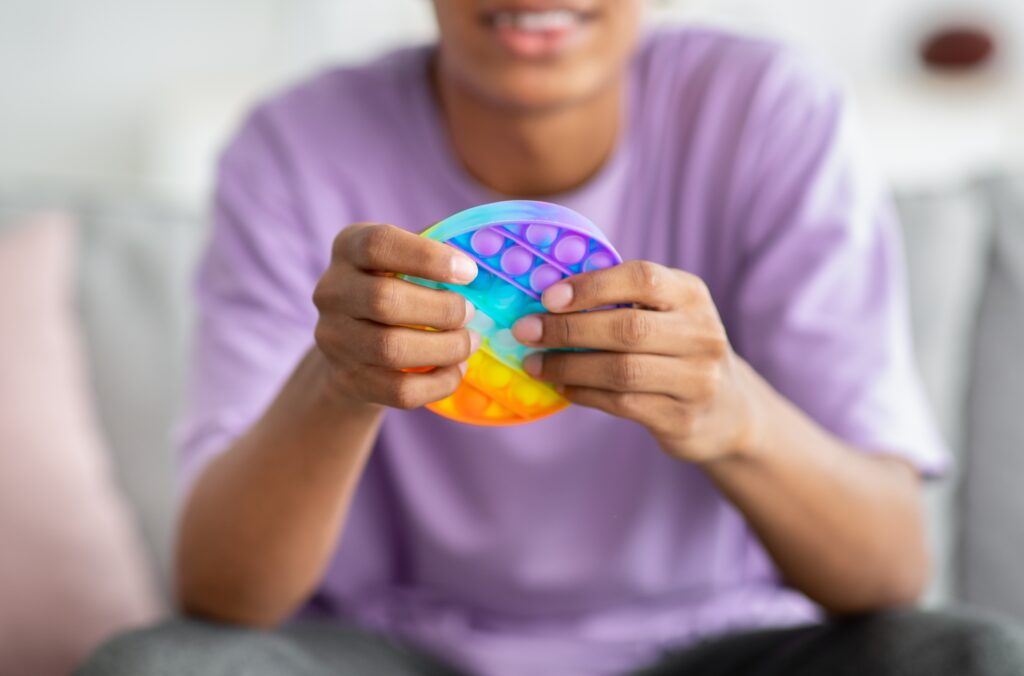
Understanding Children’s Sensory Needs We often hear words like sensory issues, sensory problems, sensory difficulties… but the truth is, your child’s brain knows exactly what it’s doing. Their nervous system is intact—working hard to protect them, ground them, and keep them safe. Of course, this doesn’t mean things aren’t challenging. It can be very hard […]
Writing Difficulties Are Almost Never About Writing

Writing challenges are about underlying developmental skills that haven’t fully formed yet, like:
✅ Whole-body coordination
✅ Core stability
✅ Sensory processing
✅ Motor planning
The ‘Calm Up to Calm Down’ Way

Most people think that calming down looks like sitting quietly, taking deep breaths, listening to soft music, or doing something still and gentle. And for some, that might work.
But for many neurodivergent people, kids and adults alike, that’s not what calming down feels like at all.
Join Me at the PDA Space Summit 2025: Exploring Equity for PDA’ers

As a brown, neurodivergent, single parent and Occupational Therapist, I see every day how much our systems ask kids (and families) to change themselves to fit in instead of adapting environments to effectively meet their needs. That’s why I’m so happy about the conversations this summit is bringing to the forefront.
5 Things We Learned from Rosie the Cat About Writing Struggles
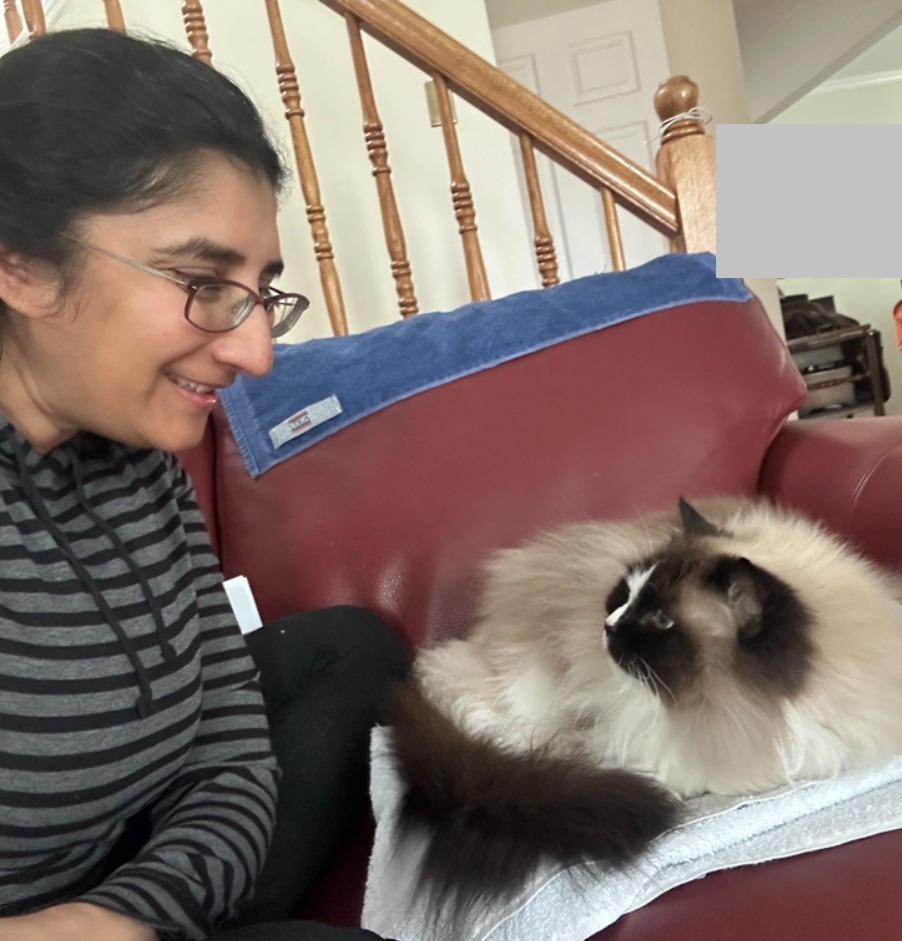
She wasn’t regressing.
She was recharging for the next big step.
And it reminded me so much of the kids I’ve worked with especially those with sensitive nervous systems who become overwhelmed and avoid writing.
OT is not just for your child

When one family member struggles, it impacts everyone. Occupational therapy goes beyond supporting your child’s sensory and emotional needs to include the whole family—parents, siblings, and their nervous systems. Discover how gentle, practical strategies can create a more connected, calm, and supported home environment for everyone.
We Don’t Talk About This Sense Enough: The Feel Good Sense in Sensory Development

We often focus on proprioception for sensory support—but there’s another powerful sense we don’t talk about enough. The “Feel Good Sense” is rooted in connection, joy, and emotional safety. When activated, it transforms how children engage, learn, and grow—especially when it comes to writing and coordination.